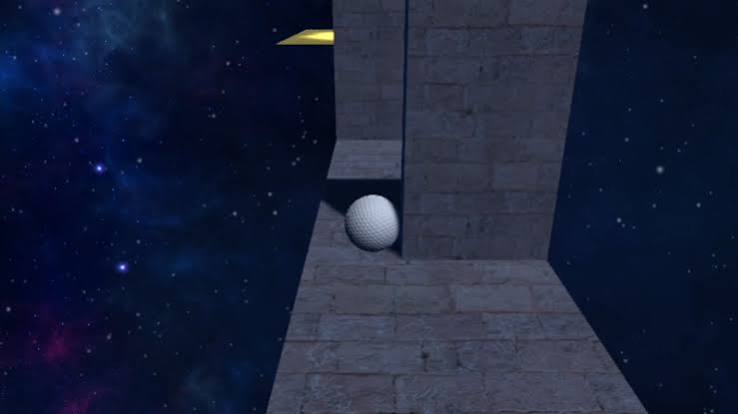
Every player discovers the double jump in the first minute. Very few ever use it well. The difference between pressing jump twice and mastering the double jump is worth several seconds per run and dozens of saved falls.
The physics in one paragraph
Your first jump launches harder than your second. The second jump doesn't add to your current motion — it resets your vertical speed to a fixed upward value. That means a double jump pressed while you're falling fast is far more powerful, relatively, than one pressed while you're still rising.
Peak timing: the height trick
For maximum total height, press your second jump at the exact top of your first jump's arc — the moment you feel weightless. Pressing earlier wastes the second jump's power fighting nothing; pressing later means you've already lost altitude it has to buy back.
The rescue save
Here's the habit that separates finishers from fallers: always keep your second jump in your pocket. Cross gaps with a single jump whenever possible. Then, if you misjudge — the platform is further than it looked, or a moving island dipped away — you still have a full jump left to fix it. Players who double-jump every gap out of habit have no answer when things go wrong.
When a single jump wins
- Small hops: double jumping short gaps floats you high and slow, wasting time.
- Under thorns: extra height near a thorn ledge is how greedy runs end.
- Off rising platforms: the platform's lift already boosts you — a single jump there out-jumps a flat double jump.
Drill this on the first three islands until the rescue save is reflex, not decision. Your fall count will collapse overnight.